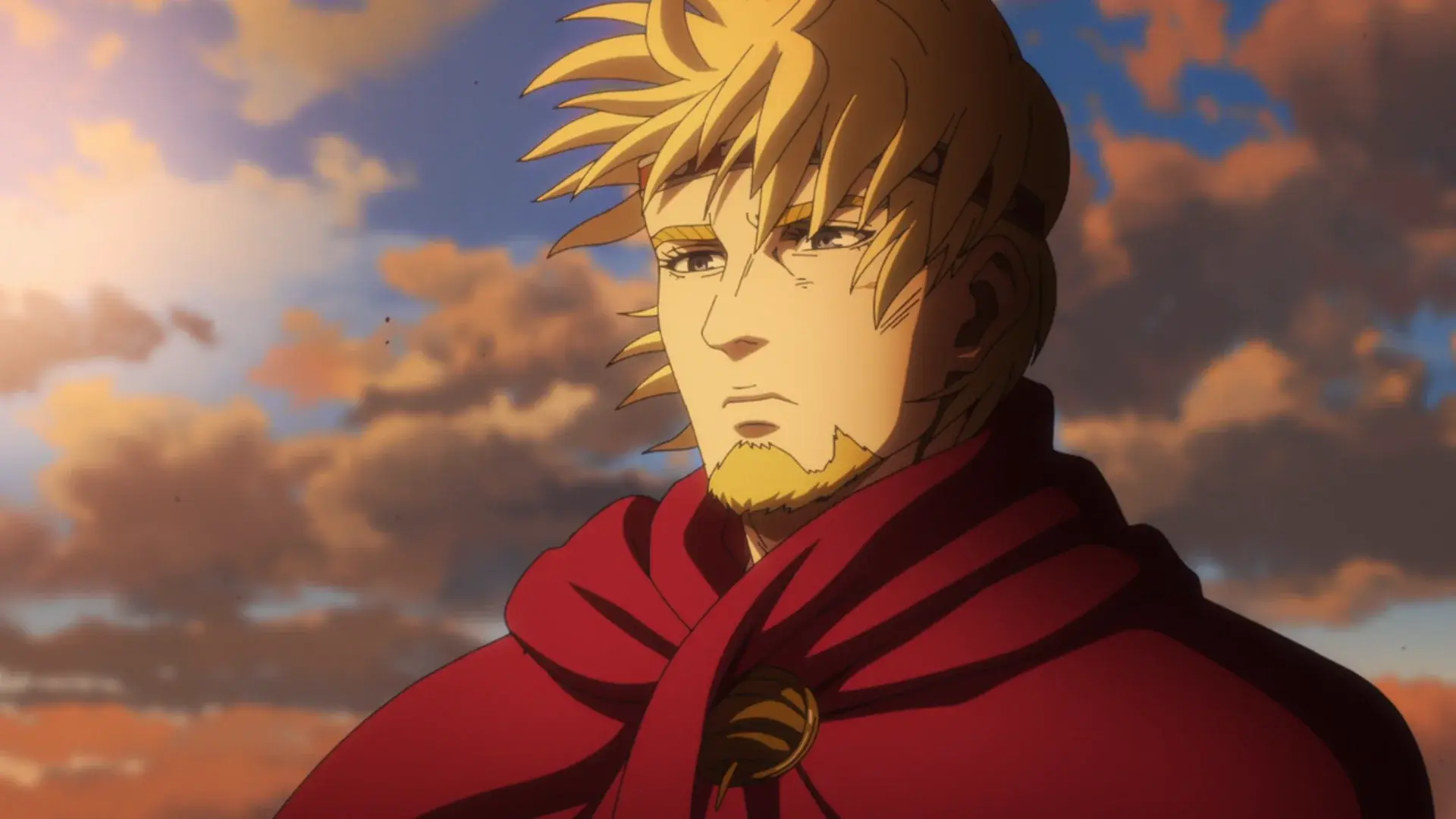
While the young prince Canute represented the awakening of consciousness, King Canute represents the coldness of execution. In the second stage of Vinland Saga, we no longer see a young man debating love with a drunken monk, but a monarch who has accepted that Heaven on Earth has a price, and that price is paid in blood. This analysis dives into the philosophy of radical utilitarianism and how Canute becomes the "necessary fool" who takes on the sin of ruling so that others can live in peace.
Canute's position is deeply Machiavellian. He understands that to stabilize England and Denmark, he must centralize power. This implies confiscating land and eliminating rivals, even those he loves. For Canute, individual morality is an obstacle to collective morality. His logic is simple but devastating: if the death of a hundred people today saves ten thousand tomorrow, that death is not only justified but necessary.
"Only a King can save this world from God. If I must become a demon to do so, then so be it."
Unlike Thorfinn, who seeks individual freedom and a peace based on escaping the system (Vinland), Canute seeks to reform the system from its rotten center. There is a terrifying loneliness in his figure; he has surrounded himself with the ghosts of those he has murdered—including the severed head of his father, Sweyn—as a constant reminder of his burden. He has abandoned his humanity to become a function of the State.
The final clash between Thorfinn and Canute represents the confrontation between two responses to suffering: Thorfinn's passive resistance against Canute's absolute power. Canute admits Thorfinn's path is purer but argues it is impractical for the masses. He believes most men need a shepherd, even if the shepherd must use the whip to keep the wolf away.
In conclusion, King Canute is a reminder that imposed utopias often turn into tyrannies. Ultimately, Canute forces us to ask: if we achieve a world without war but through fear and absolute control, have we won paradise or simply traded one type of hell for another?
Is peace imposed by a king preferable to the chaos of absolute freedom?
Next analysis: Sverkel and the Philosophy of Land →